01
Guided reporting
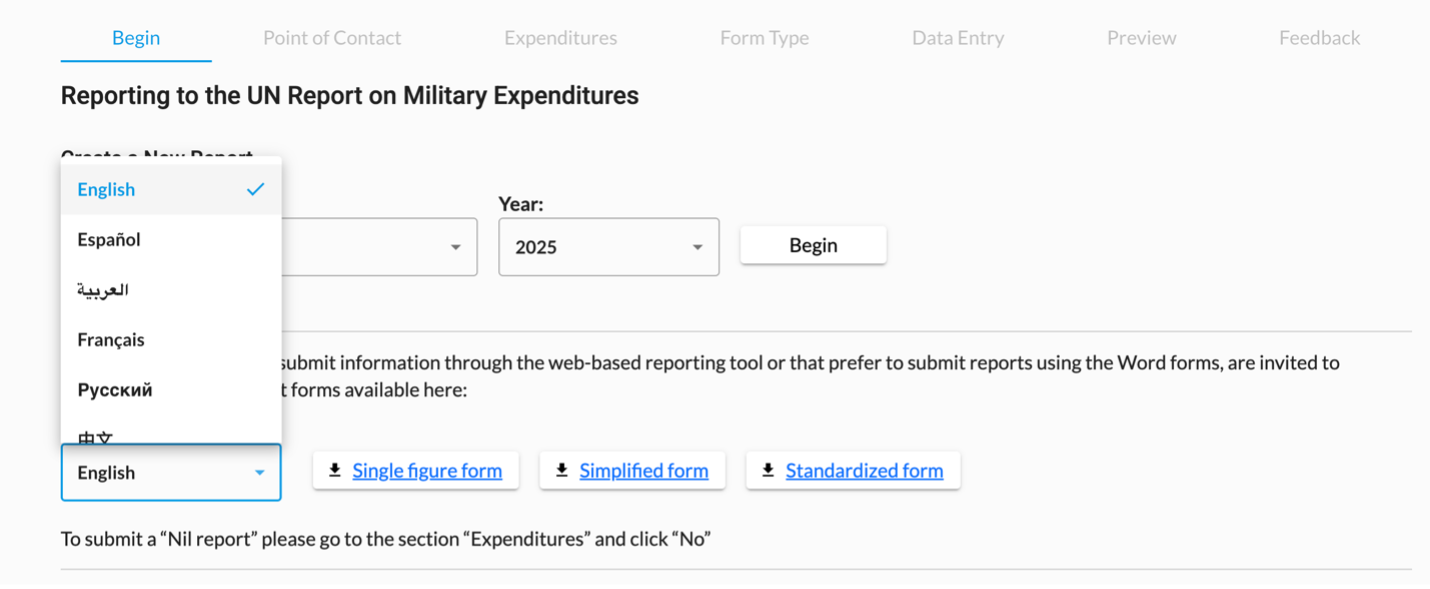
A multilingual, step-by-step workflow helps users submit information using four report types, accommodating different levels of detail and reports with no expenditure to declare.
Case Study
We built an integrated reporting and analytics platform for the United Nations, connecting multilingual submissions, administrative tools, and interactive analysis to help make military expenditure data easier to manage and compare.
01 — The challenge
Organizations often collect information from multiple sources, each with its own formats, units, and conventions. Bringing that information together for analysis requires a way to preserve the original context while making meaningful comparisons possible.
For the United Nations military expenditure reporting system, countries submit financial information using different currencies, units, and reporting formats. The platform needed to support the submission and review process while making published data easier to explore across countries and years.
We built a connected system for collecting reports, managing submissions, and analyzing the resulting data—preserving reported values while supporting normalized comparisons.
02 — The approach
The platform was designed around three connected capabilities: guided reporting, data normalization, and administrative oversight.
A multilingual, step-by-step workflow helps users submit information using four report types, accommodating different levels of detail and reports with no expenditure to declare.
Reported amounts retain their original currency and unit information. The analytics layer uses World Bank economic datasets to support historical USD comparisons and expenditure ratios.
A separate staff interface provides tools to monitor submissions, review report details, and make permitted adjustments.
03 — Implementation
The platform connects the reporting interface to administrative tools and public-facing analytics, allowing the same structured information to support operational management and broader analysis.
Reporting
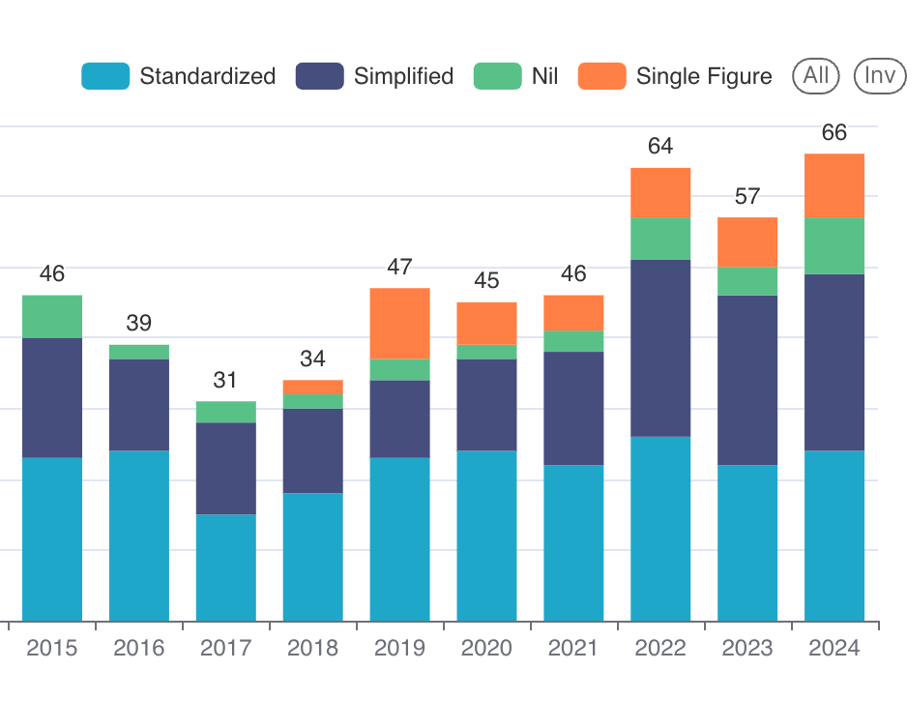
The multilingual reporting interface takes users through a defined sequence, from report setup and contact information to expenditure details, preview, and feedback. It supports nil, single-figure, simplified, and standardized reports.
Administration
A separate Django administration interface provides a filterable register of submissions. Staff can review records by country, year, completion status, report type, and submission date, and make permitted adjustments.

Data and analytics
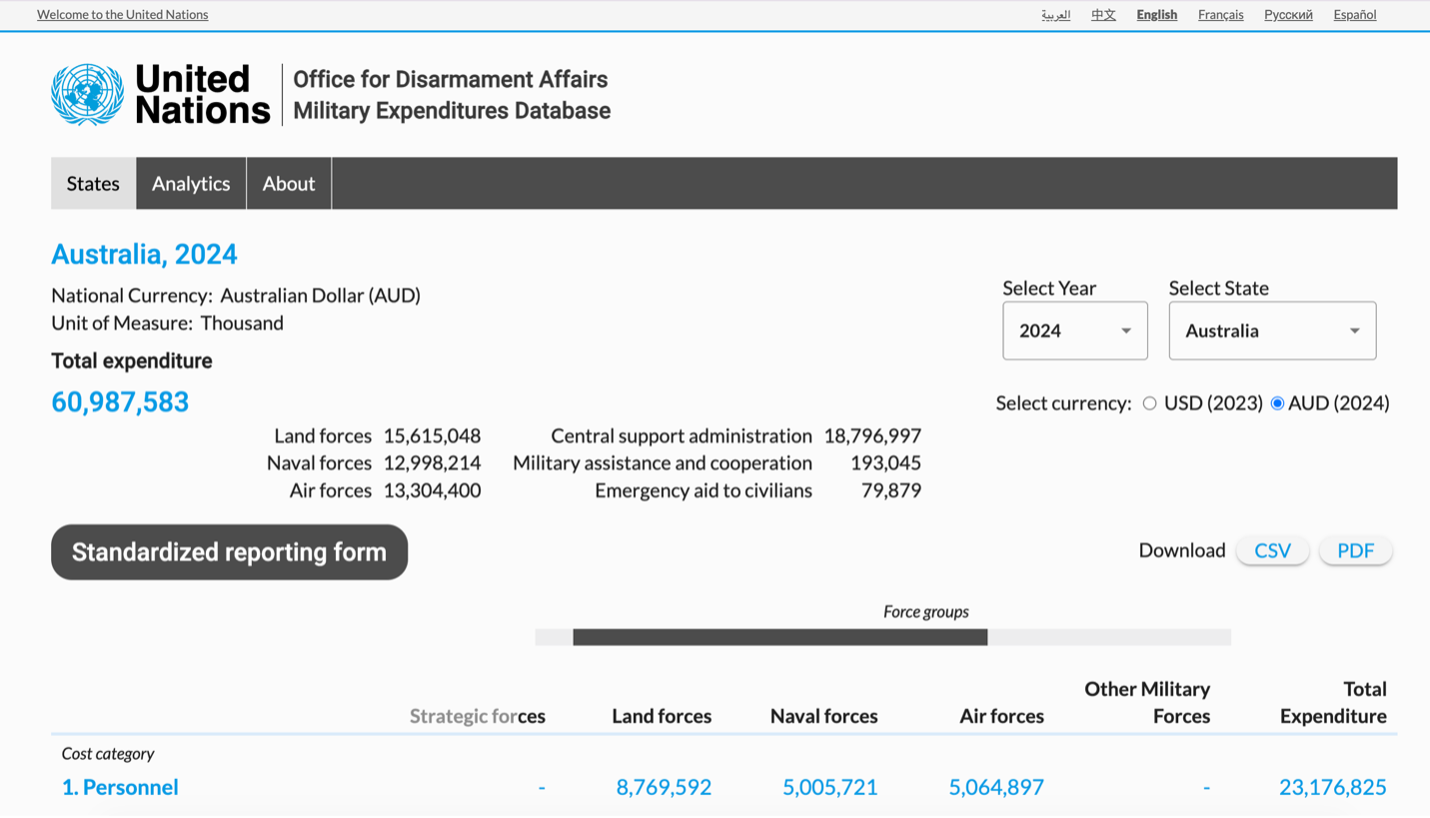
The system retains original reported values alongside normalized comparisons, helping preserve context while supporting analysis across different currencies, reporting periods, and economic measures.
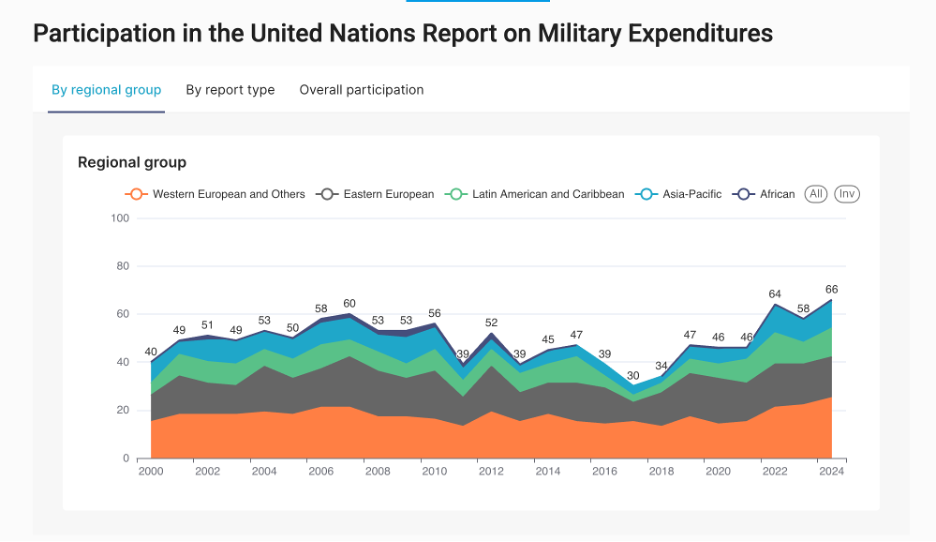
World Bank exchange-rate, inflation, and GDP-deflator data support historical financial comparisons. Interactive dashboards make expenditure and reporting participation trends easier to explore.
Technology
The platform combines a multilingual reporting interface, application and administration services, and interactive analytics. Reported values and units remain available alongside normalized USD equivalents and expenditure ratios.
04 — Outcome
The resulting platform connects reporting operations with financial data analysis, supporting both the management of individual submissions and the exploration of broader trends.
What this project demonstrates
This project demonstrates our ability to connect multilingual reporting, administrative workflows, data normalization, and interactive financial analysis in a single platform.